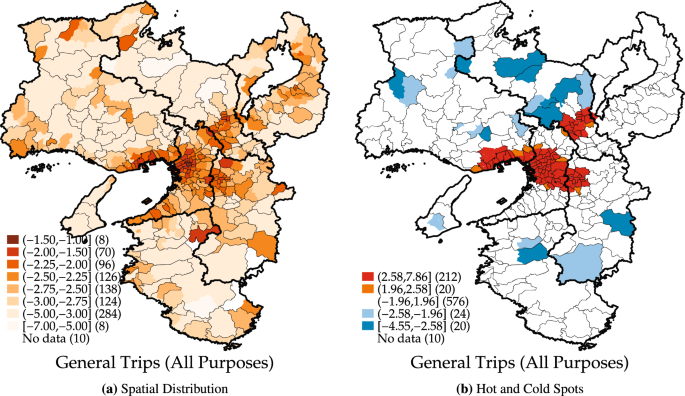
Understanding the appeal of travel destinations is crucial for tourism development and strategic planning. Recent advancements in data collection have enabled researchers to analyze human mobility patterns on a large scale, offering new perspectives on how people choose and visit various locations.
In this study, researchers utilize human mobility data, such as anonymized location information from mobile devices, to measure the attractiveness of different trip destinations. By examining travel flows, visitation frequencies, and movement trajectories, they aim to identify which destinations are most appealing to travelers.
The methodology involves collecting large datasets from various sources, including mobile network operators and location-based services. These datasets are then processed and analyzed using advanced statistical and computational techniques to quantify destination attractiveness. Metrics such as visitor volume, stay duration, and travel diversity are considered to provide a comprehensive assessment.
One of the key advantages of using human mobility data is the ability to capture real-time and dynamic travel behaviors, which traditional survey methods often miss. This approach allows for a more accurate and timely understanding of tourism trends and destination popularity.
The findings reveal significant patterns in travel behavior, such as the influence of geographic, social, and economic factors on destination choice. For example, proximity, accessibility, and social networks play vital roles in shaping travel preferences. The study also highlights how certain destinations maintain high attractiveness regardless of external factors like seasonality or economic fluctuations.
These insights have practical implications for tourism authorities and businesses. By identifying highly attractive destinations, they can optimize resource allocation, improve visitor experiences, and develop targeted marketing strategies. Moreover, understanding mobility patterns can help in managing tourist flows to prevent overcrowding and environmental degradation.
In conclusion, leveraging human mobility data provides a powerful tool for measuring the attractiveness of travel destinations. This approach enhances our understanding of tourism dynamics and supports sustainable development by enabling more informed decision-making in the tourism sector.